
November is American Diabetes Month, and this year it’s landing with more than the usual awareness ribbons. The American Diabetes Association just rolled out its 2026 Standards of Care, and a handful of the changes aren’t small print, they’re the kind of thing that changes what your next doctor’s visit actually looks like. Over 133 million Americans are now living with diabetes or prediabetes, according to the ADA’s own numbers, which means this isn’t a niche update. It’s a “you, or someone in your house” update.
Here’s what actually changed, and what to do about it before your next appointment instead of after.
Why November Looks Different This Year
Every year, American Diabetes Month comes with the same reminders: eat better, move more, get screened. What’s different in 2026 is that the ADA rewrote several of the actual rules doctors follow, not just the talking points. Three areas got real, specific changes: who gets screened for weight and when, who qualifies for GLP-1 medications, and what counts as a “normal” blood pressure or kidney number for someone managing diabetes.
None of this is theoretical. These are the standards your doctor’s office is supposed to be working from starting this cycle, and most patients won’t hear about a single one of them unless they ask.
The New Rule Nobody’s Talking About: Yearly Weight Screening
For the first time, the Standards call for yearly screening for overweight or obesity using BMI, paired with a waist-to-hip measurement or a body composition test when one’s available. That’s a shift from “mention it if it comes up” to “check it every year, on purpose.”
The number behind it matters more than the screening itself: losing just 5 to 7% of starting body weight can meaningfully improve blood sugar control and lower cardiovascular risk. For someone who weighs 180 pounds, that’s roughly 9 to 13 pounds, not a full transformation, just enough to move the needle on both fronts at once.

The Standards also lean into lifestyle counseling that doesn’t require an in-person program, telehealth visits, remote coaching, and tracking apps are now explicitly named as acceptable ways to get that support if in-person care isn’t realistic for you.
GLP-1 Drugs Just Got a Major Approval Expansion
This is the change getting the least press and the most actual impact: GLP-1 medications are now supported for the first time for adults with type 1 diabetes who have a BMI above 30 (27.5 for Asian Americans). Until this update, that combination mostly wasn’t addressed in the Standards at all.
It comes with real conditions, not a blanket green light. Anyone starting a GLP-1 alongside type 1 diabetes needs counseling on reducing insulin doses, watching for hypoglycemia, adjusting carbohydrate intake, and testing ketones regularly. It’s a medication change that touches four or five other numbers you’re already tracking, which is exactly where most people lose the thread a few weeks in.
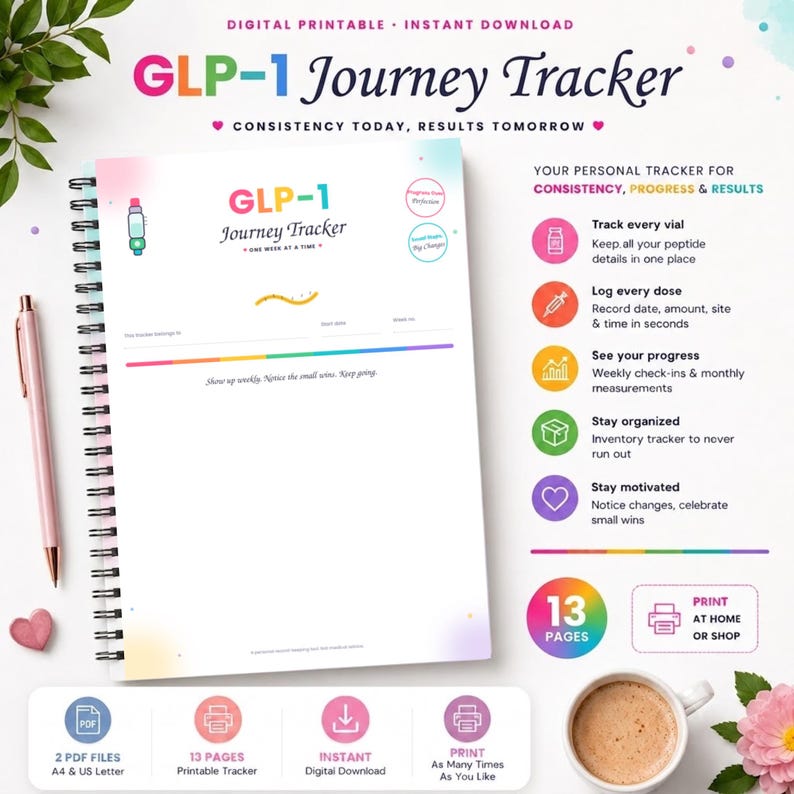
That’s the gap a dedicated log closes. This GLP-1 Weight Loss Tracker printable from ThemindfullDesign has a weekly injection log, side-effect tracker, and measurement pages built around exactly this kind of adjustment period, so insulin changes, symptoms, and progress all live on the same page instead of three different sticky notes.
Your Heart, Kidneys, and Blood Pressure Numbers Changed Too
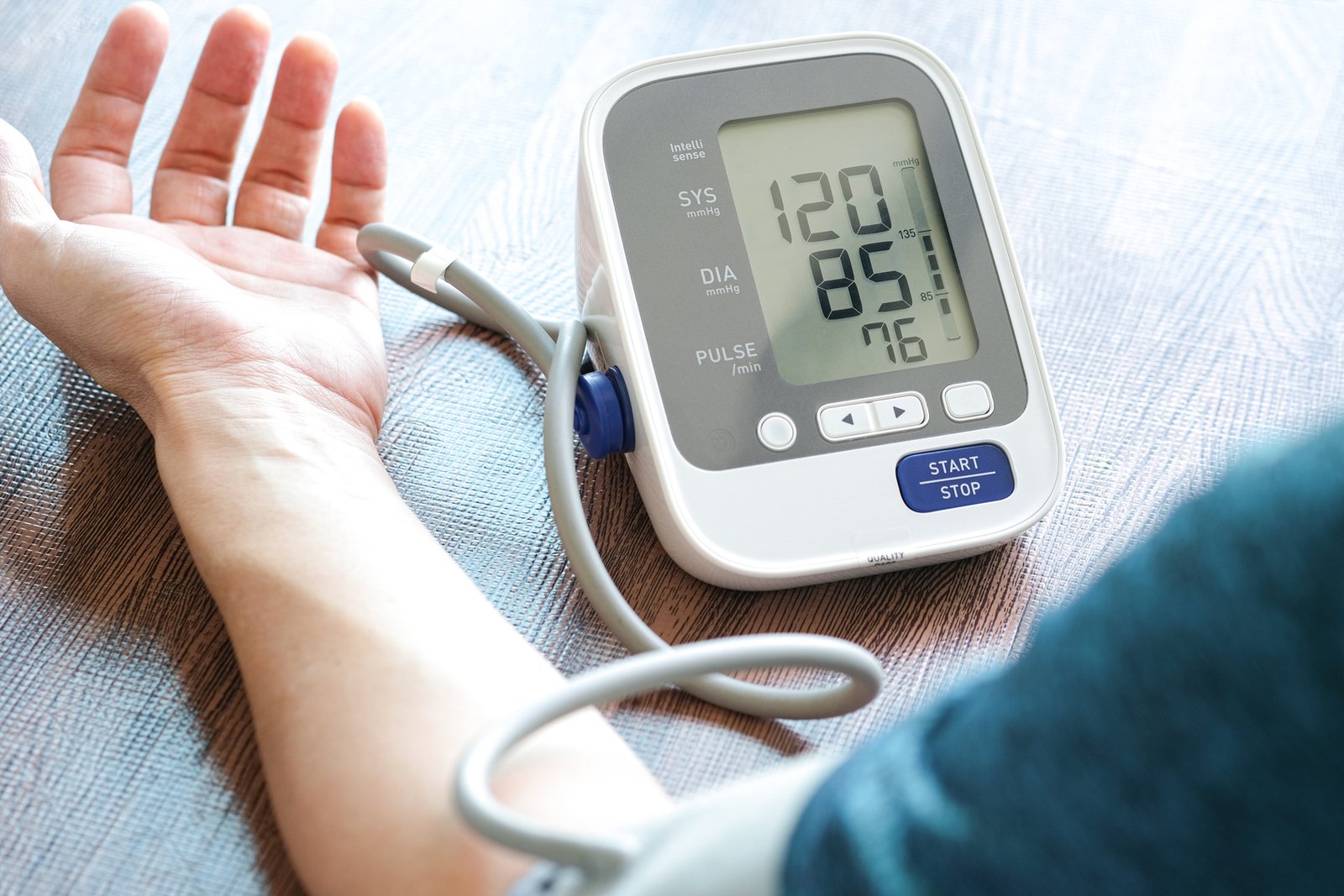
The 2026 Standards also tighten the targets outside of blood sugar itself. Blood pressure goal is now below 130/80 mmHg for most people with diabetes, with an even lower systolic target when it’s safe to get there. Kidney testing, a urine protein check plus a blood test for kidney function, is now a yearly default, not something that waits for symptoms.
There’s also a new emphasis on liver health, specifically MASLD and MASH, two conditions that show up far more often in people with type 2 diabetes than most patients realize. GLP-1 medications are now recommended as a first-line option when liver fibrosis or MASLD is present alongside type 2 diabetes, on top of the heart and kidney protection that GLP-1 and SGLT-2 drugs already offered.
None of these are numbers you’ll remember by instinct six months from now. “My blood pressure was fine last time” isn’t the same thing as knowing what it actually was.
What to Actually Do Before Your Next Appointment
You don’t need to memorize the full Standards of Care to use any of this. Four questions cover almost everything above:
- Ask for your actual BMI and waist measurement at your next visit, not just “you look good” from the nurse.
- Ask where your blood pressure sits against the new 130/80 target, specifically, with the number out loud.
- Ask whether you’re due for a kidney test this year, since the default is now annual rather than “if something seems off.”
- Ask if a GLP-1 fits your situation, especially if you have type 1 diabetes and weight has been part of the conversation before, since that door only opened with this update.

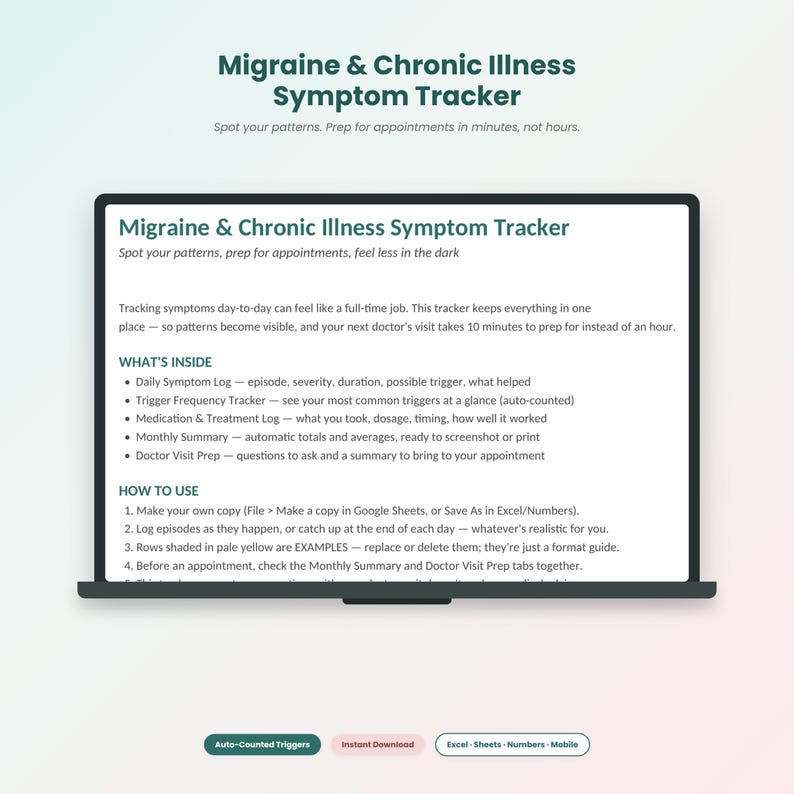
The part that trips people up isn’t the appointment itself, it’s the months between appointments, when blood sugar, weight, blood pressure, and symptoms are all changing quietly and nobody’s writing any of it down. This Chronic Illness Symptom Log from ThemindfullDesign is built for exactly that stretch, a doctor-visit-prep page plus ongoing symptom and number tracking, so you walk into November’s appointment with real data instead of “I think it’s been fine.”
American Diabetes Month happens every November whether or not the guidelines change underneath it. This year they did, in ways that touch screening, medication, and the numbers your doctor is supposed to be checking. The update is already in place. Whether it actually changes your care still comes down to whether you ask.