
Medicare’s open enrollment window closes December 7, and this year, doing nothing costs more than usual. If you don’t touch your plan, it auto-renews, and for a big chunk of popular Part D and Medicare Advantage plans, “auto-renew” is about to mean a real premium jump starting January 1. Three changes are landing at once: a higher drug-cost ceiling, the end of a federal program that’s been quietly keeping some premiums artificially low, and new negotiated prices on 15 more drugs, including Ozempic, Wegovy, and Rybelsus. None of it happens automatically in your favor, and the plan that was the cheapest option for you in 2026 is not guaranteed to still be the cheapest in 2027.
Open enrollment runs October 15 through December 7, with new coverage starting January 1. Here’s what’s actually changing, and what to do about it before the window shuts.
What’s Actually Changing in 2027
The Centers for Medicare & Medicaid Services has confirmed three concrete changes taking effect January 1:
- The Part D out-of-pocket cap rises from $2,100 to $2,400, so you’ll pay an extra $300 before the annual spending limit kicks in and protects you.
- The standard Part D deductible climbs from $615 to $700.
- CMS is ending the Part D Premium Stabilization Demonstration at the end of 2026 and returning to what it calls “traditional market conditions” in 2027, which is the real reason a lot of premiums are about to move, some of them a lot.
That third one is the sleeper. The stabilization program was a backstop that kept certain plan premiums from reflecting their actual cost. Once it’s gone, premiums reset toward what the plans actually cost to run, and for some of the most popular plans, that reset is steep.

The Premium Jump Hiding Behind “Auto-Renew”
Here’s the number that should get your attention if you’re on a big-name plan: AARP Medicare Rx Preferred enrollees are looking at increases of $50 a month or more in all 50 states and Washington, D.C., with jumps over $75 in 37 states and over $100 in four states. AARP Medicare Rx Saver enrollees face increases of $50 or more in 33 states. That’s not a typo, and it’s not a worst-case scenario. It’s what CMS’s own 2027 plan data shows for people who stay put.
Don’t assume you’re safe just because you’re not paying a premium right now, either. Enrollees on $0-premium plans without a low-income subsidy are seeing increases too. Humana Basic Rx enrollees, for example, could see their premium rise anywhere from $6.30 to $30.60 a month depending on their state, moving from free to not-free overnight if they don’t act.
What You Keep If You Actually Shop Around
The cheapest nationally available standalone drug plan for 2027 is Wellcare Value Script, at $5.30 a month in 45 states, with Wellcare Classic close behind at $7.30 in 33 states. CMS says the average premium across all standalone Part D plans only rises from $35 to $36 next year. That “average barely moves” headline is exactly why people get blindsided: the average is calm because cheap plans are getting cheaper while expensive plans get a lot more expensive, and your actual bill depends entirely on which bucket your current plan falls into.
There’s real good news buried in here too. Medicare-negotiated prices take effect in 2027 for 15 more high-cost drugs, including Ozempic, Wegovy, and Rybelsus. CMS projects those negotiated prices will cut beneficiaries’ out-of-pocket prescription costs by roughly $685 million in 2027. If you’re on one of those medications, this is the year to actually check whether your plan passes those savings through, because not every plan’s formulary treats them the same way.

How to Actually Compare Plans Before December 7
Skip the mailers and go straight to Medicare’s own Plan Finder at medicare.gov. A few things matter more than the headline premium:
- Enter every prescription you actually take, not just the premium, since a $5 plan with a bad formulary for your medications can cost more than a $40 plan with a good one.
- If you’re on a GLP-1 drug, check the formulary specifically for 2027, since this is the exact category getting new negotiated pricing.
- Compare total estimated annual cost (premium plus deductible plus copays), not the sticker premium alone.
- If your current plan increased, call and ask why before you assume you have to eat the cost. Sometimes a different plan from the same carrier covers the same drugs for less.
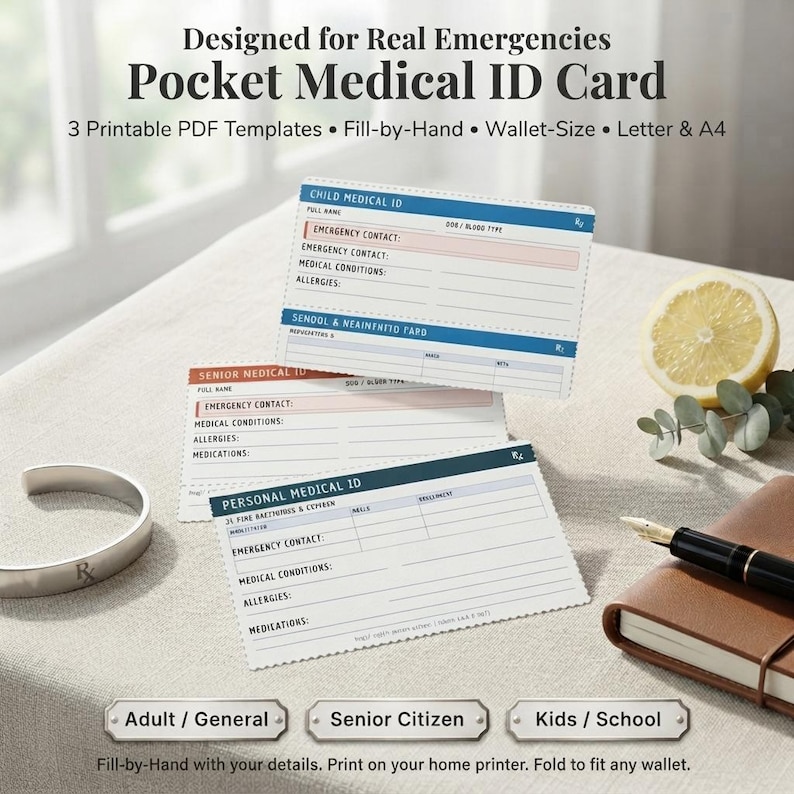
Once you’ve picked a plan, or confirmed you’re staying on your current one on purpose, get the new details somewhere you’ll actually find them in an emergency room or a new doctor’s office. A printable wallet medical ID card that folds behind your driver’s license and holds your plan, allergies, medications, and emergency contacts takes five minutes to fill out and solves the “which plan am I even on now” problem for good.

If You’re Sorting This Out Without Family Help
A lot of the people re-checking their Medicare plan this week are doing it entirely on their own, no adult child cross-checking the Plan Finder results, no one else in the house who’d notice if a bill quietly went up $75 a month. If that’s you, the open enrollment deadline is a good excuse to get the rest of your “future self” paperwork in order at the same time, not just the drug plan.
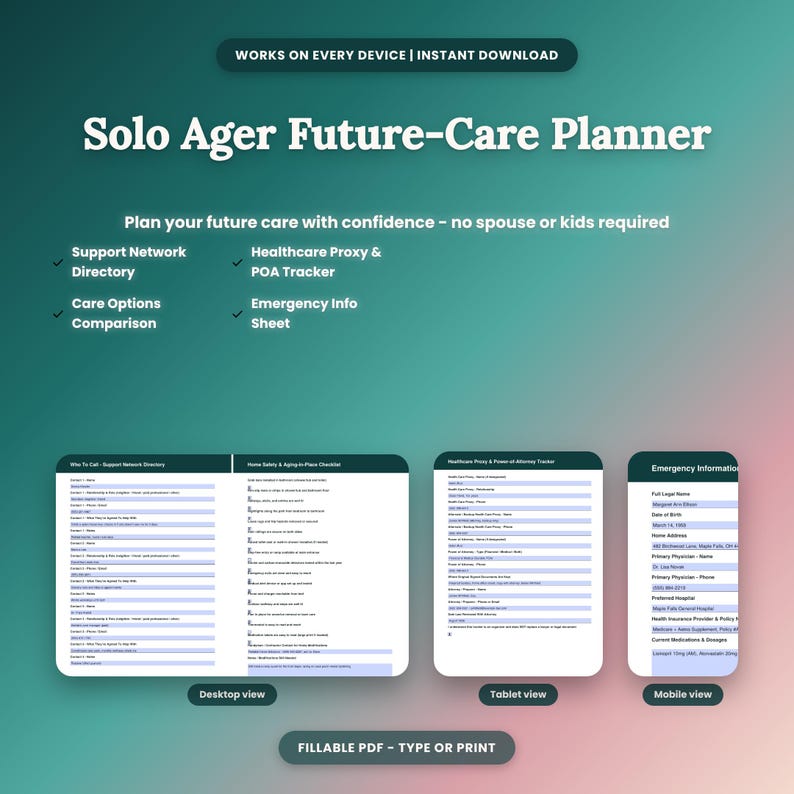
A Solo Ager Future Care Planner is built exactly for this: a fillable binder for people planning their own care without a spouse or kids to lean on, with pages for your support network, healthcare proxy and power-of-attorney tracker, a care-option comparison worksheet, and an emergency information sheet, the same kind of sheet a paramedic or new doctor would actually want. Fill it out once while you’re already dealing with the plan paperwork, and it’s done.
The Bottom Line Before December 7
Nothing about your 2026 Medicare plan is locked in for 2027, and for a lot of people on well-known Part D plans, doing nothing is the expensive choice this year. Pull up Plan Finder, run your actual medication list through it, and decide on purpose instead of by default. You have until December 7. After that, you’re stuck with whatever you picked, or didn’t, until next fall.