
Only 12% of Americans host friends or family at home at least once a month. In 1975, it was 42%. That’s not a slow drift — it’s a 70% collapse in one generation, according to a September 2026 deep dive by journalist Derek Thompson into what he calls the death of the American host, built on the same DDB Needham Life Style survey Robert Putnam used in Bowling Alone and a fresh replication from Data for Progress.
Here’s the part that doesn’t fit the trend line: Friendsgiving keeps growing anyway. Every year, the same group chat that can’t agree on a Friday night plan somehow pulls off a potluck with twelve people, three dietary restrictions, and someone’s cousin’s boyfriend nobody’s actually met yet. If hosting is dying everywhere else, why does this one night keep surviving?
The short answer: Friendsgiving works precisely because it skips the two things that are killing hosting everywhere else — the expectation of a spotless house, and the expectation that one person does all the work. Here’s what’s actually behind the decline, and how to use that loophole to throw a Friendsgiving that doesn’t wreck your week.
Why Nobody Hosts Anymore (And Why Friendsgiving Is the Exception)
The drop isn’t really about money, even though cost plays a role for lower-income households. Women’s labor force participation climbed from under 50% in 1970 to nearly 80% today, and men mostly didn’t pick up the social-planning work women used to handle by default. At the same time, parenting got more hands-on — mothers added roughly 200 extra minutes a week with their kids between 1975 and 1998, and that number has kept climbing since. Add shrinking friend groups, especially among adults without a college degree or without a spouse, and you land somewhere close to a 2023 U.S. Surgeon General advisory that found about half of American adults report feeling lonely on a regular basis.
Friendsgiving dodges most of this because it was built as a group project from day one. Nobody expects one person to cook a 14-pound turkey solo for twelve people. Everybody brings a dish. That one shift — from “my house, my labor” to “our dinner, shared labor” — removes the exact burden that’s been emptying out dinner parties everywhere else.
The Logistics Problem Nobody Admits To
Coordinating a potluck sounds simple until three people show up with mac and cheese and nobody brought a vegetable. The real work of hosting one looks a lot like small-scale project management: who’s bringing what, who has a nut allergy, what time people actually need to arrive versus what the invite says, and how much food twelve adults actually eat (always less than you think, until suddenly it isn’t).

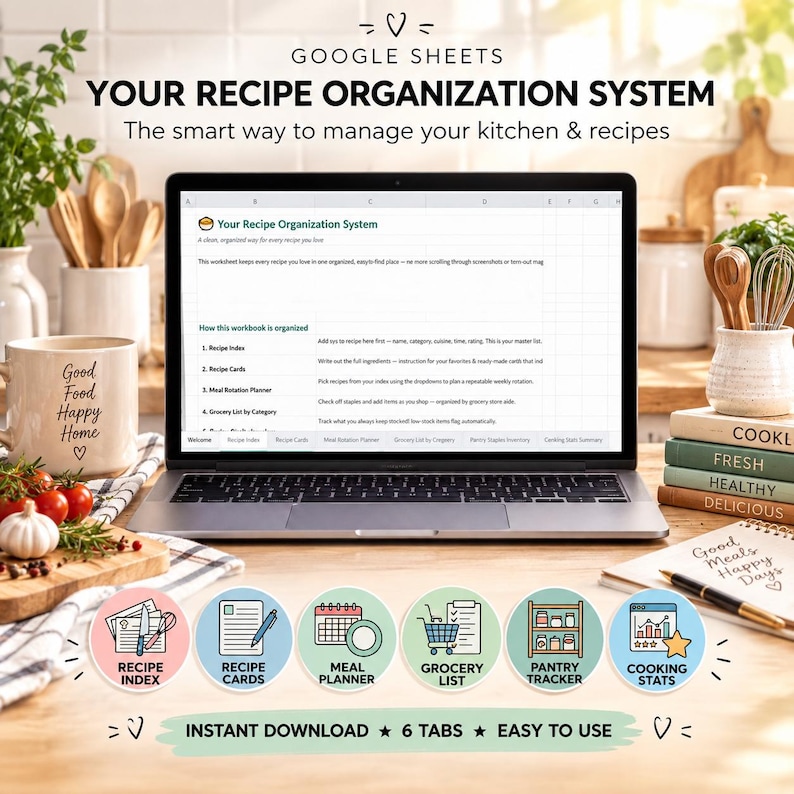
This is the part that’s easiest to fix with a system instead of a group chat that spirals into chaos by Tuesday night. A shared recipe and meal-planning spreadsheet — one that tracks who’s bringing what alongside a running grocery and pantry list — turns six separate “wait, what am I bringing again?” texts into one link everyone can check before they leave the house. ThemindfullDesign’s Recipe Organizer Spreadsheet is built for exactly this kind of multi-cook chaos — a digital recipe binder with a built-in grocery list and pantry tracker, so the “who’s bringing what” conversation lives in one place instead of a 40-message thread.
The Shame Spiral Around a “Host-Ready” Home
The psychological piece is just as real. Therapists who work with hosting anxiety describe clients apologizing for their homes before guests even walk in — a mess they’re genuinely ashamed of, a living room that doesn’t match the version of their life they post online. Social media takes a fair share of the blame here: it’s quietly raised the bar for what a “host-ready” home is supposed to look like before anyone feels allowed to invite people over.

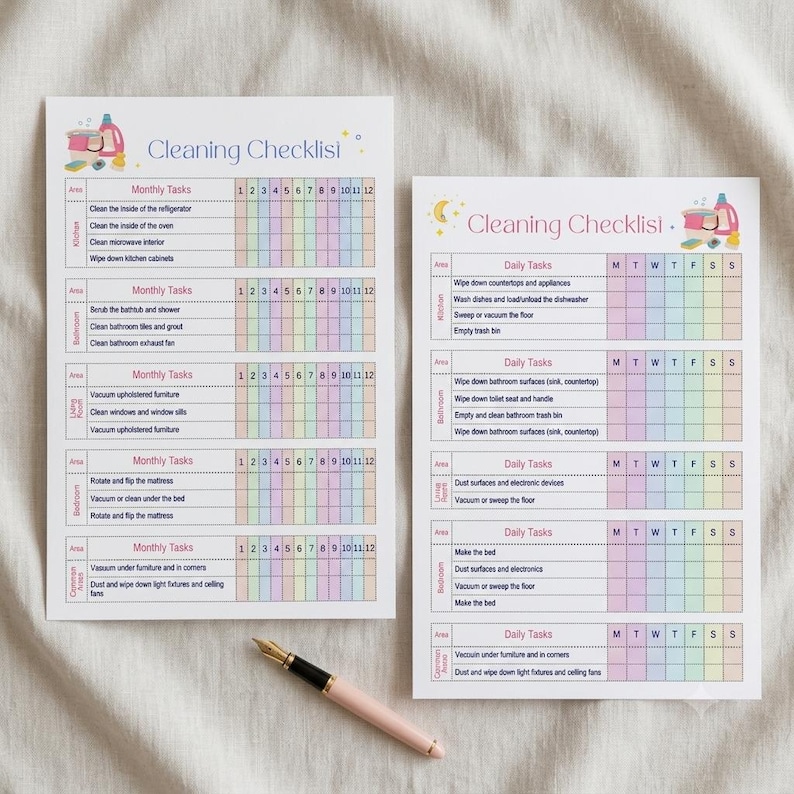
The actual fix therapists point to isn’t a cleaner house. It’s a lower bar. Guests remember how they felt, not whether the baseboards were dusted. A simple, repeatable pre-party routine does more for your stress level than a four-hour deep clean the morning of. ThemindfullDesign’s Editable Cleaning Checklist Bundle breaks the job into daily, weekly, and monthly chunks, so the week of Friendsgiving you’re doing 20 minutes of upkeep here and there instead of a full-house panic clean on Thursday night.
How to Actually Throw a Friendsgiving This Year
None of this requires becoming a different person who suddenly loves hosting. It just requires a few small decisions made earlier than usual:
- Send the invite 2-3 weeks out, not 3 days out. Fear of a no-show is one of the quiet reasons people stop inviting at all — more lead time means fewer last-minute cancellations and fewer awkward “sorry, can’t make it” texts the morning of.
- Assign dishes, don’t just ask. “Bring something” gets you four desserts and zero vegetables. A simple shared sign-up gets you an actual meal.
- Cap the guest list at a number your living room actually seats. Hosting anxiety spikes hardest when the headcount outgrows the space, not when the house is messy.
- Pick one task to delegate on the day — drinks, music, or greeting people at the door — so you’re not running the entire night solo.
- Let the house be a 7 out of 10, not a 10. Nobody invited is grading the grout.
Lower the Bar, Not the Invitation
Robert Putnam warned twenty-five years ago that casual hosting might disappear from American life within a generation if the trend kept going. The new numbers say he was mostly right — except for the one holiday built around sharing the work instead of performing perfection. Friendsgiving isn’t surviving the hosting collapse by accident. It’s quietly working from the exact blueprint that reverses it: split the labor, lower the bar, and the gathering happens anyway.

That’s really the whole fix. Not a bigger house, not a Pinterest-worthy table — just a plan for who’s bringing what, and a shorter cleaning list than you think you need.