
Cyber Monday is about to cross $15 billion in U.S. online sales for the first time ever. Black Friday is growing even faster, up 9.2% to $12.9 billion. The whole online holiday season is forecast to hit $275.1 billion, a record, according to Adobe Analytics’ September 2026 forecast pulled from more than a trillion site visits. By every retailer-side measure, this is shaping up to be the biggest Black Friday weekend on record.
And yet, ask shoppers themselves what they’re planning to spend, and the number is going down. Deloitte’s annual survey puts average per-person spending between Black Friday and Cyber Monday at $622 this year — down from $650 last year. It’s the first pullback after four straight years of increases.
So which is it — record spending or a pullback? Both, actually. And once you see how they fit together, it tells you exactly how to shop this year without getting caught in the gap.
How the Totals Go Up While Your Budget Goes Down
The math isn’t contradictory once you separate “total dollars spent across the country” from “what any one shopper spends.” More people are shopping this year — 82% of Deloitte’s surveyed consumers plan to shop the Black Friday-to-Cyber Monday stretch, up from 79% last year. More shoppers, each spending a bit less, can still add up to a bigger total than fewer shoppers spending more.

There’s also a real income split underneath that average. Deloitte found shoppers earning under $50,000 plan to cut their spending by 12%, and shoppers earning over $200,000 plan to cut theirs by 18% — the pullback is actually sharper at the top of the income scale. Meanwhile 47% of shoppers say the gifts they’ve already bought cost more than last year’s did, which is its own quiet source of the squeeze: the same gift list now costs more, so something else has to give.
Where the Record Numbers Are Actually Coming From
Three things are inflating the season’s total that have nothing to do with any individual shopper spending more: mobile is pulling in 57.4% of all holiday spending this year, up from 56.4%, and purchases made on a phone tend to be smaller but far more frequent — more transactions, not bigger ones. Buy Now, Pay Later usage is up 6.6% to $21.3 billion for the season, with 82% of that happening on mobile, which means a lot of this spending is already being financed rather than paid outright. And grocery is up 10.3% this season, the fastest-growing category Adobe tracked — not gifts, groceries, which says something about where holiday budgets are actually stretching thin.
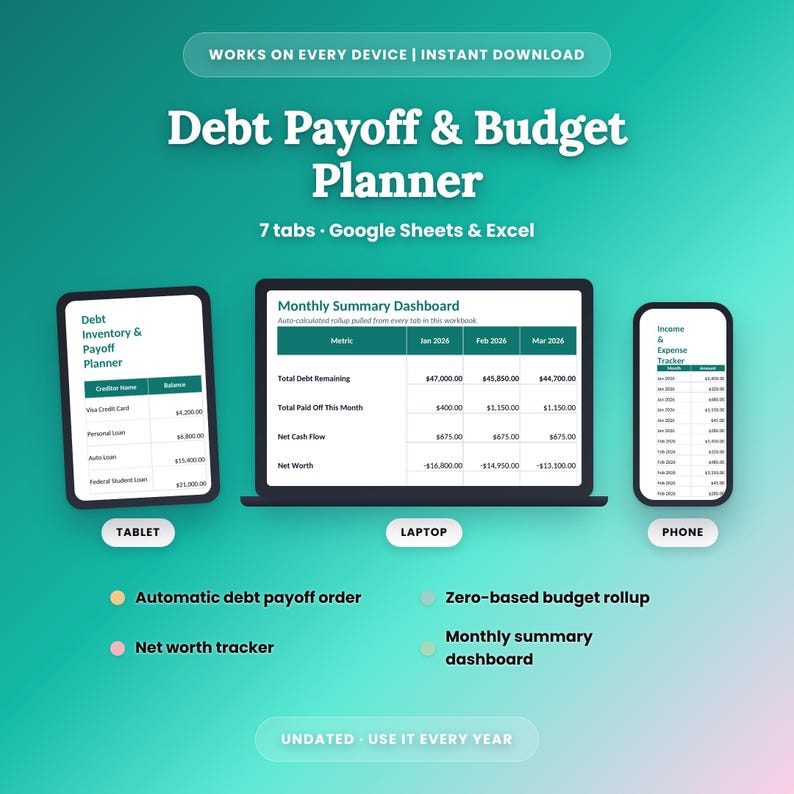
That BNPL number is worth sitting with for a second. If you spread $622 across four interest-free payments, it feels smaller in the moment than it is on your actual bank balance in January. A spreadsheet that tracks what you’ve financed alongside what you owe elsewhere — something like ThemindfullDesign’s Debt Payoff Tracker, which handles both the snowball and avalanche methods plus a running net worth view — makes it a lot harder to lose track of four or five “small” Pay-in-4 plans that quietly add up to a real number.
The Days That Actually Matter This Year
Not every day of Cyber Week is equal, and the forecast makes that pretty specific:
- Black Friday ($12.9B, +9.2%): growing faster than Cyber Monday this year. Discounts run up to 30% off during Cyber Week, deeper than the roughly 14-21% seen in early-to-mid November.
- Cyber Monday ($15.1B, +6.2%): the single biggest online shopping day in U.S. history once it crosses $15 billion.
- Thanksgiving Day itself ($6.9B, +8.5%): increasingly a shopping day in its own right, with mobile expected to hit a record 63% share of purchases.

Translation: the deepest discounts land on Black Friday and through Cyber Monday, not before. Buying early in November mostly means paying the shallower 14% discounts Adobe tracked for that window, not the up-to-30% ones that show up closer to Thanksgiving.
How to Shop the Record Year Without Joining the Pullback
The shoppers cutting their budgets this year aren’t doing it randomly — they’re responding to gift prices that are genuinely higher than last year’s. The fix isn’t to skip the sales; it’s to go in with a number already decided, instead of discovering it on your December credit card statement.

A simple per-person gift list with a running total does most of the work here, because the $622 average only becomes a problem when it’s spread across ten people you didn’t actually budget for individually. ThemindfullDesign’s Christmas Gift Tracker keeps a running list by person with a budget column next to each name, plus a Secret Santa and stocking-stuffer section, so you see the total climbing in real time instead of after the fact.
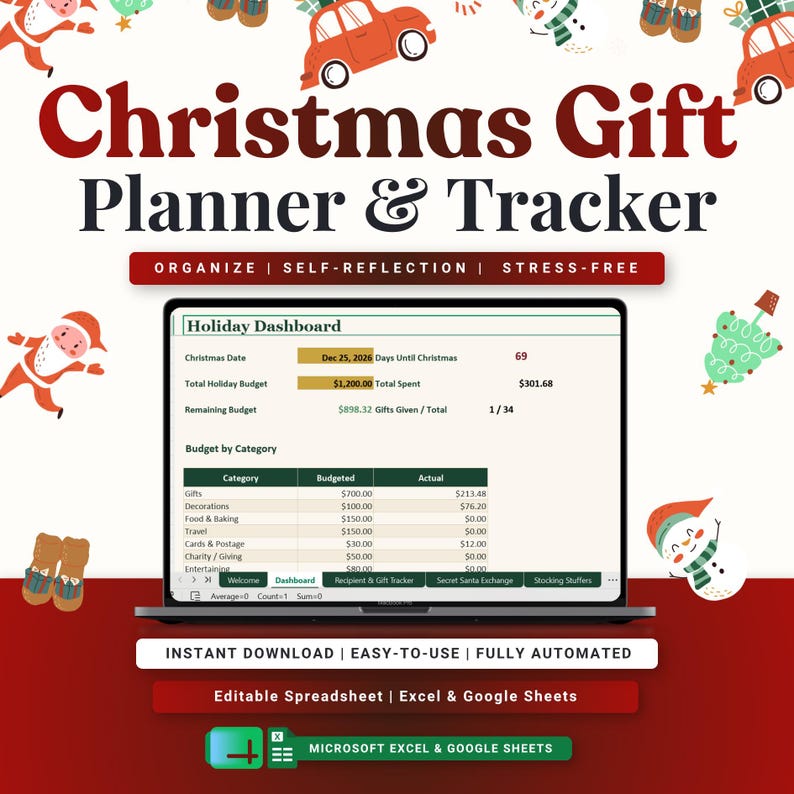

The record $275 billion season and your own $622 are two different numbers measuring two different things, and only one of them is yours to control. Decide it before Black Friday, not after the boxes start showing up on the porch.