
Lung cancer kills more Americans every year than breast, prostate, and colon cancer combined. It’s also one of the few cancers with a real screening test that cuts your risk of dying from it by about 20 percent. And yet only about 1 in 5 people who qualify for that test have ever gotten it. November is Lung Cancer Awareness Month, and the gap between “this screening exists” and “people actually use it” is the whole story this month is trying to fix.
Most of that gap isn’t stubbornness. It’s that almost nobody has been told, in plain terms, whether they personally qualify. So here’s the plain version: who actually gets screened, why so many people skip it anyway, and what this month is a good excuse to finally deal with.

Why November Gets Its Own Awareness Month for This
Lung cancer is the leading cause of cancer death in the US, ahead of every other type by a wide margin, and it’s often caught late because early-stage lung cancer usually causes zero symptoms. By the time a persistent cough, shortness of breath, or coughing up blood shows up, the disease has often had years to grow. That’s exactly the gap a screening test is built to close: it’s designed to find something before you’d ever feel it.
There’s real progress to point to, too. Lung cancer death rates have been falling roughly 4.7% a year in men and 3% a year in women since 2019, driven by a combination of fewer people smoking and more people getting screened and treated early. Researchers who modeled where those saved lives actually came from found that screening and prevention accounted for about 98% of the drop, with treatment advances making up the rest. The tool is working. Most eligible people just aren’t using it yet.
Who Actually Qualifies for the Free Screening
This is the part that trips people up, so here’s the current guidance in plain terms. You’re generally considered eligible for an annual low-dose CT scan (the standard lung cancer screening test) if:
- You’re between the ages of 50 and 80
- You currently smoke, or you quit within roughly the last 15 years
- You have at least a 20 pack-year smoking history (that’s roughly a pack a day for 20 years, or two packs a day for 10 — the math scales either way)
If that’s you, the screening is typically covered by insurance and Medicare with no out-of-pocket cost, the same way a mammogram or colonoscopy usually is. If you’re not sure whether you hit the pack-year math, that’s a two-minute conversation with your doctor, not something you need to calculate perfectly on your own first.

Why 4 Out of 5 Eligible People Skip It Anyway
According to the CDC’s National Health Interview Survey, roughly 4 in 5 adults who qualify for lung cancer screening have never had it. Skipping it is more common among people in their 50s specifically, among women, among Hispanic adults, and among people who don’t already have another chronic condition that puts them in regular contact with a doctor. The common thread isn’t a specific group’s risk level — it’s simply never being told, in a way that stuck, that this applied to them.
There’s also a quieter fear worth naming directly: people assume a flagged scan means cancer. It usually doesn’t. Pulmonologists who read these scans regularly report that over 99% of the nodules screening finds turn out to be benign. A flagged scan almost always means a follow-up scan in a few months to confirm nothing changed, not a diagnosis.
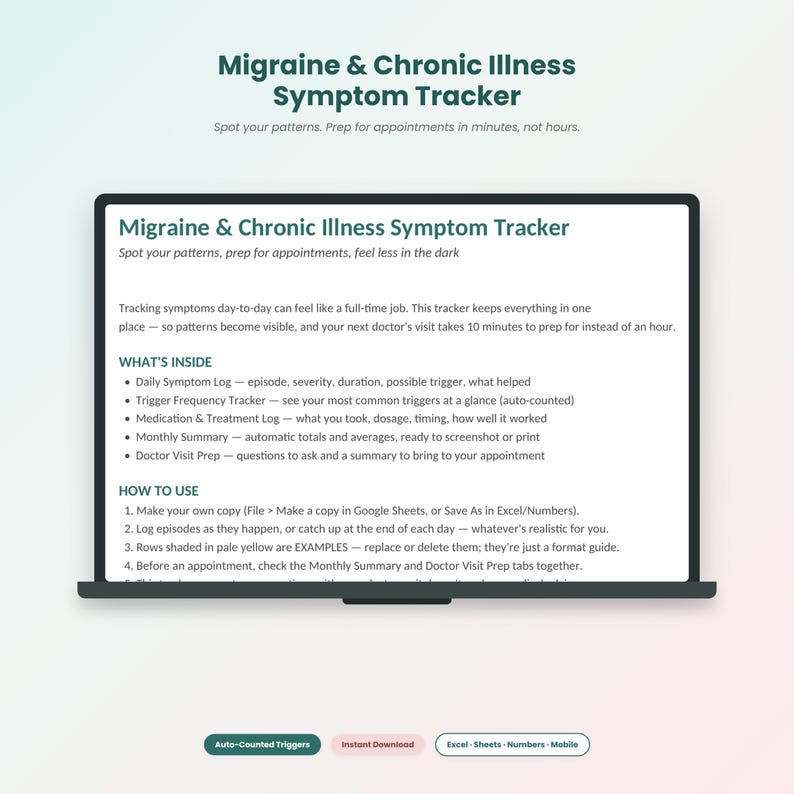
If you do qualify and you’re finally booking the appointment, it helps to walk in with your symptom history already written down instead of trying to remember it on the spot — when a cough started, whether it’s gotten worse, any shortness of breath, any unexplained weight loss. A simple symptom and doctor-visit log like this chronic illness symptom tracker was actually built for exactly that — logging symptoms over time and prepping questions before an appointment, not just for migraines specifically.
You Don’t Have to Be a Smoker to Be at Risk
Here’s the statistic that surprises most people: about 1 in 5 lung cancer patients never smoked at all. Radon gas is the second-leading cause of lung cancer in the US behind smoking, and it’s completely odorless and tasteless — it seeps into homes through foundation cracks, and the only way to know your level is a cheap test kit from a hardware store. People with a direct family history of lung cancer, and some higher-risk groups like Asian women who’ve never smoked, are also increasingly being told to talk to their doctor about whether screening makes sense for them too, even outside the standard age-and-pack-year criteria.
None of that erases the math on smoking, though. It’s still the single biggest controllable risk factor, and quitting at any age lowers your risk going forward, even if you’ve already smoked for decades.

What to Actually Do With This Month
You don’t need to overhaul your whole life in November. Pick one real action:
- If you’re 50 to 80 with a smoking history, call your doctor and ask directly: “Do I qualify for a lung cancer screening CT, and is it covered?”
- If you’ve never smoked, order a $15 to $25 radon test kit for your home — it takes a few days to get results
- If you smoke now, this is a reasonable month to pick a quit date, even if it’s not your first attempt
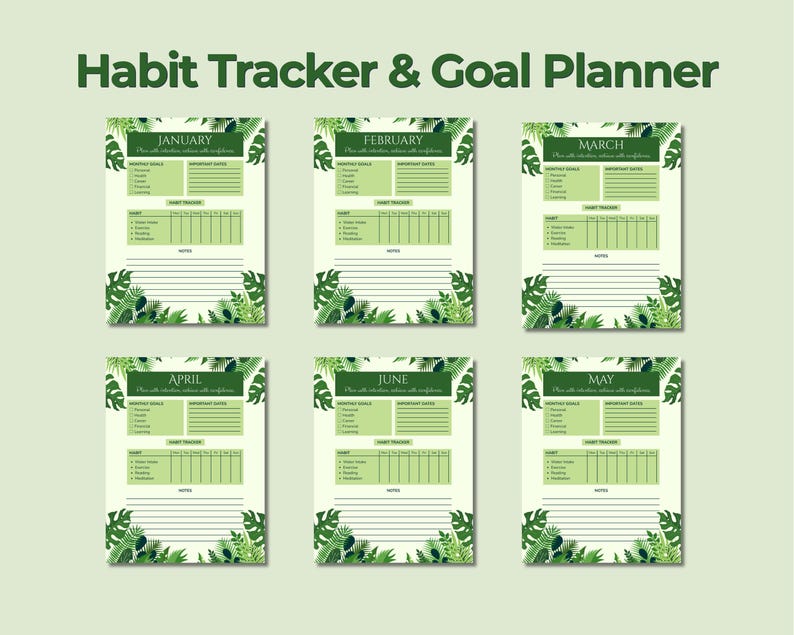
That third one is worth taking seriously rather than treating it as a vague New Year’s-style resolution. Quitting sticks better when it’s tracked day by day instead of left as a mood. A habit and goal tracker built for exactly this kind of daily follow-through can turn “I should quit” into a visible streak you don’t want to break.
Screening doesn’t prevent lung cancer. What it does is give you a real shot at catching it while it’s still small and treatable, instead of finding out only after symptoms force the issue. If you’ve been meaning to ask your doctor about it “eventually,” this month is as good a reason as any to actually make the call.