
If you started a side hustle this year, you’re in a smaller club than you’d think — and you’re making more money in it than side-hustlers did a few years ago. Only 33% of U.S. adults say they currently have a side hustle in 2026, down from 38% in 2025 and 44% back in 2022, according to LendingTree’s annual survey of over 2,000 adults. But the ones who stuck with it are earning a record $1,242 a month on average, more than double the $473 a month side-hustlers reported in 2022.
At the same time, business formation data tells a different part of the story: March 2026 saw 624,915 new U.S. companies registered, an all-time high, according to Registered Agents’ filing data. November is National Entrepreneurship Month, which usually gets a few generic “follow your passion” posts and not much else. The actual 2026 numbers are more interesting than that, and they point to a pretty specific gap: more people are forming businesses and chasing side income than ever, but most of them have no real system for tracking whether it’s actually working.
Fewer People Are Doing It, But They’re Making More
The drop in participation is sharpest among the age group you’d expect to hustle the hardest. Gen Z side-hustle participation fell from 62% in 2022 to just 43% in 2026. Millennials dropped from 55% to 45% over the same stretch. LendingTree’s chief consumer finance analyst, Matt Schulz, chalks it up to a “K-shaped economy” — some households have the time and capital to build a side business, and a lot of others are too stretched to even start one.
Of the people who do have a side hustle right now, the breakdown looks like this: 29% are doing gig or on-demand work (think rideshare or delivery), 26% are doing freelance or professional services, and 23% are in creative work, content, or resale — which covers everything from an Etsy shop to flipping thrifted furniture. When LendingTree asked why people started one in the first place, the top reasons were the current economic environment (36%), inflation (31%), and rising housing costs (26%).

55% Say They’re Starting One This Year — Here’s What Usually Kills It
More than half of people without a side hustle right now (55%) told LendingTree they’re likely to start one within the next 12 months. That lines up with the business formation surge: Registered Agents, which tracks company filings nationally, logged 560,194 new business formations in April 2026 alone, a 9% jump over the same month a year earlier. Florida led with over 67,000 filings in March, followed by Texas and California.
What doesn’t show up in any of these surveys is the part that actually determines whether a side hustle survives past month three: whether the person running it knows what they made, what they spent, and what they owe the IRS come April. Most people start tracking this in their Notes app, give up by week two, and find out at tax time that they’ve got a shoebox of receipts and no idea what their real hourly rate was after expenses.
The One Spreadsheet Habit That Separates a Hobby From a Business
This is the gap a Freelancer Business Toolkit is actually built to close — not as a motivational add-on, but as the boring infrastructure that keeps a side hustle from quietly losing money. A rate calculator tells you whether that client rate actually covers your time once you factor in the hours you’re not billing. A client tracker keeps you from forgetting who still owes you an invoice from six weeks ago. The income and expense log is what turns “I think I made some extra money this year” into an actual number you can act on.
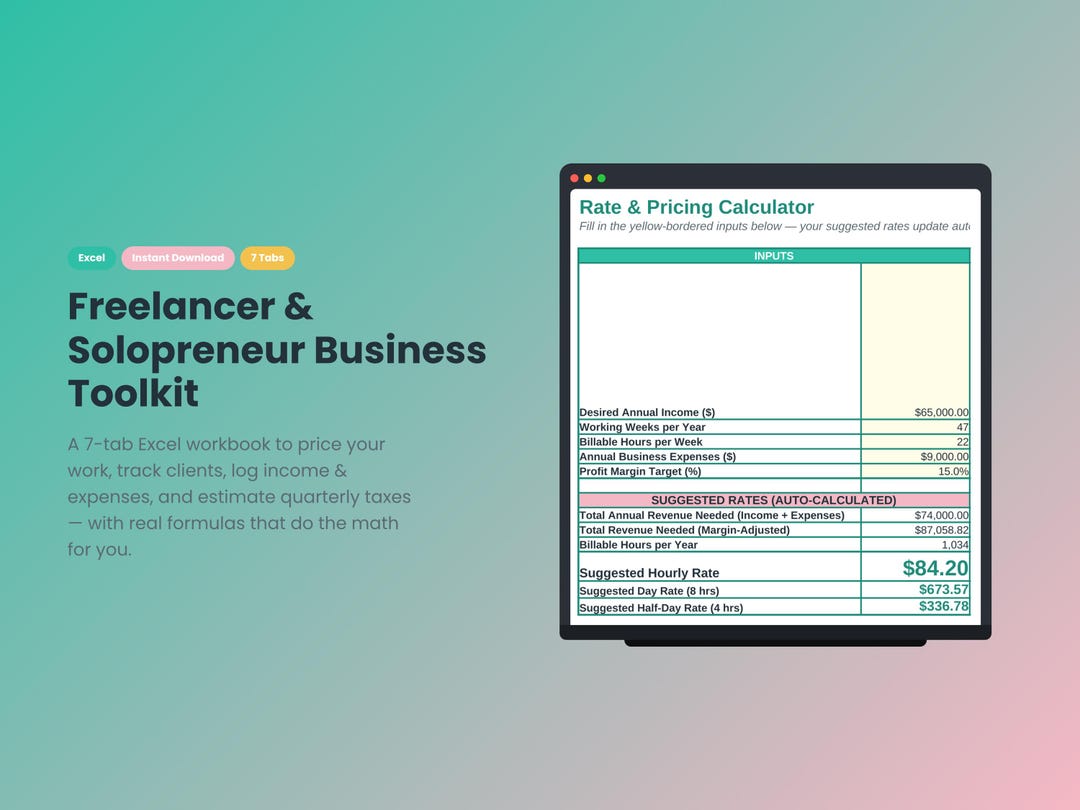
The piece people skip most often is the quarterly tax planner, and it’s the one that costs the most to ignore. If your side hustle clears more than about $1,000 in tax owed for the year, the IRS expects estimated payments four times a year, not one lump sum in April. Side-hustlers earning that new $1,242-a-month average are solidly in that territory. A tracker that sets aside a percentage of every payment as it comes in turns a scary April surprise into a number you already knew about in July.

Turning “I Should Start One” Into a Habit That Sticks
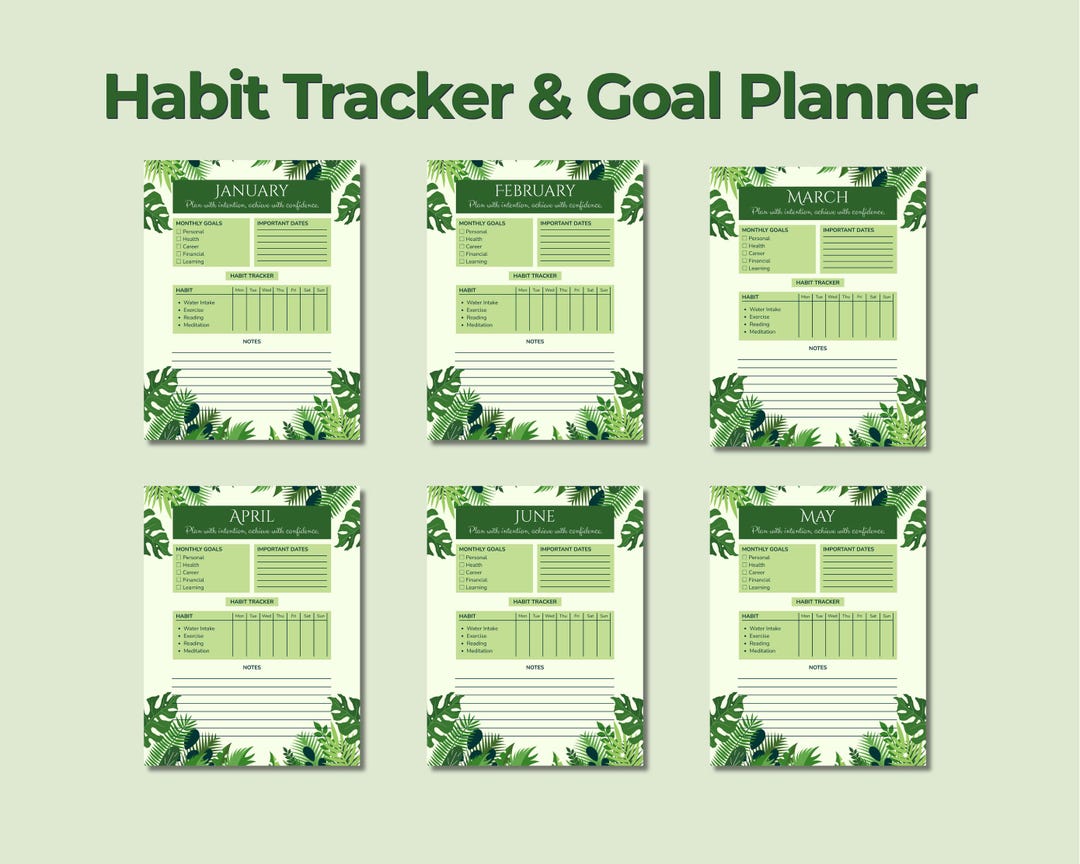
If you’re in the 55% planning to start a side hustle rather than already running one, the research on why people quit early is pretty consistent: it’s rarely the business idea that fails, it’s the follow-through. Showing up to list a new product, respond to a client inquiry, or post about your shop for 20 minutes a day beats one heroic weekend of effort every time, and it’s a lot easier to keep doing when you can actually see the streak building.
A Habit Tracker & Goal Planner works for this exact problem because it separates the big goal (“launch my shop,” “hit $500 this month”) from the small daily actions that actually get you there, with a monthly layout that makes it obvious when you’ve skipped three days in a row before it turns into three weeks.

What Actually Matters This November
You don’t need a registered LLC or a logo to take a side hustle seriously, and most of the 624,915 people who filed paperwork in March didn’t suddenly become more disciplined than the person doing freelance design on nights and weekends. What actually separates “making $1,242 a month, consistently” from “made some money that one time” is two boring habits: knowing your real numbers, and showing up on the days you don’t feel like it.
National Entrepreneurship Month isn’t really about the big leap. It’s a decent excuse to spend twenty minutes this week setting up the two systems — a tracker for the money, a tracker for the habit — that decide whether your side hustle is still around this time next year.