
Walk into a Zara, a J.Crew, or an & Other Stories right now and you’ll see the same shade folded on three different tables: a deep blue-green that’s warmer than navy and calmer than emerald. That’s teal, and this winter it’s not a one-brand moment. Victoria Beckham, Tory Burch, and Balenciaga all put it on the runway within weeks of each other, in padded bombers, floral maxi dresses, and the kind of knitwear that actually gets worn on a Tuesday.
Color trends move faster than silhouette trends because you don’t need a new cut, just a new tab open on a site you already shop. That’s also why they’re easy to overspend on without noticing.
Why Teal Took Over Every Runway This Winter
Teal isn’t a new color. What’s new is that three brands with very different customers landed on it at the same time, which is usually the signal a shade is about to show up in every mid-range retailer’s “new arrivals” email. Victoria Beckham used it in tailoring. Tory Burch put it in florals. Balenciaga went full statement with a padded bomber jacket.
By the time a color reaches that spread, it’s already filtering down. & Other Stories, Anthropologie, and Rothy’s all have a teal piece in stock right now, which means you don’t need a designer budget to try it. You need a plan for how much of your closet you’re actually replacing.
This is also the third color-driven trend this fall and winter, after purple and the brown-replacing-black shift. If you bought into either of those, teal is the one that’s actually easiest to fold in, because it reads as a neutral-adjacent shade rather than a statement color, which means it pairs with what you already own instead of competing with it.
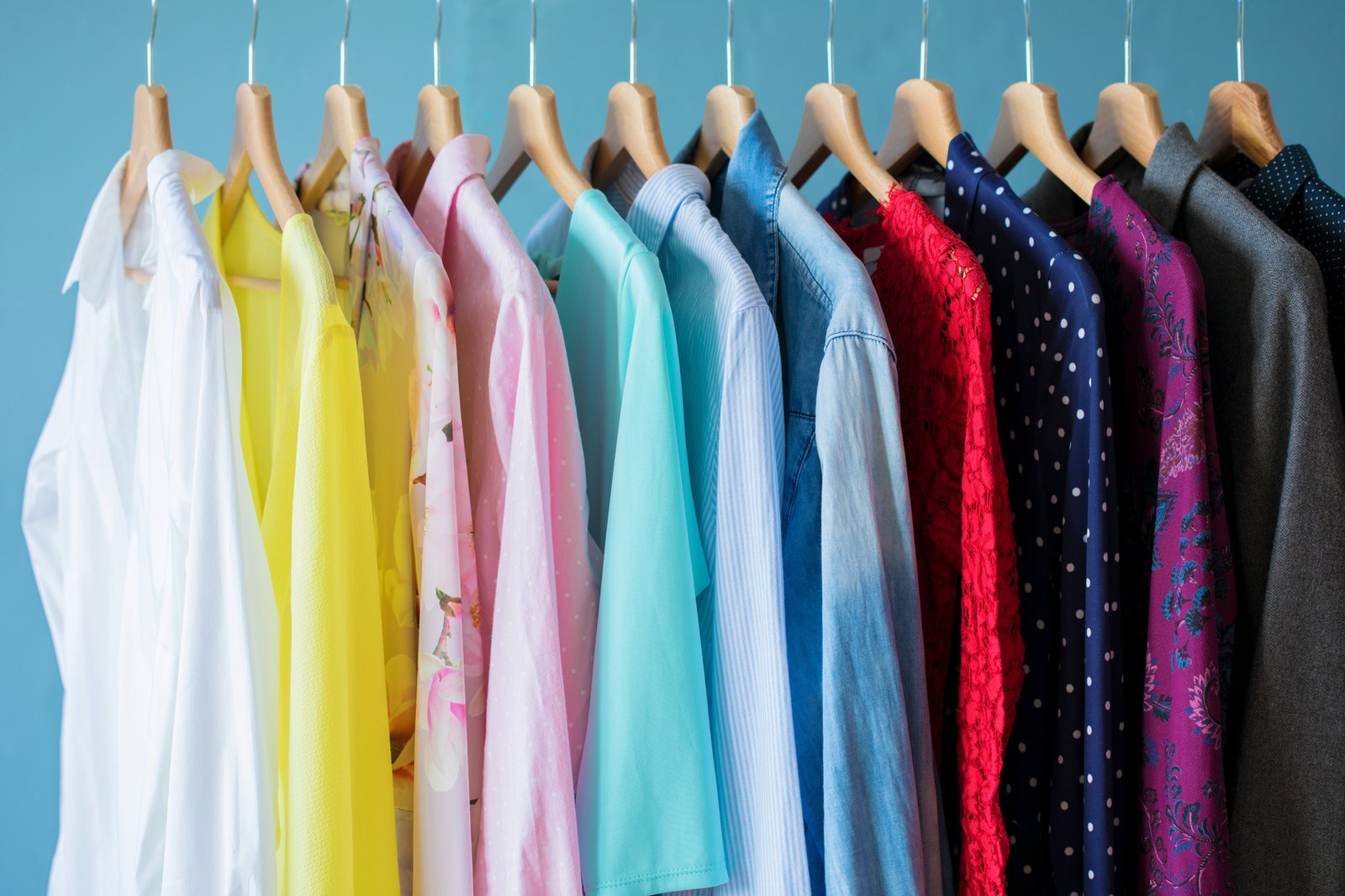
What a Teal Wardrobe Actually Costs
Here’s the real range, not the marketing range. A Wilfred Wool Cashmere Cardigan runs $148. A & Other Stories Knitted Sweater is $69. Rothy’s Revelvet Driver flats are $199, on sale right now for $119. A Cuyana Classic Easy Tote in teal is $298. On the higher end, a Phase Eight Lydia Coat lists at $525 and is currently marked to $370.
Add those up as a full head-to-toe look and you’re near $700 before tax. Pick just one piece, and you’re closer to $70. That gap is the entire decision.
None of those individual prices feels unreasonable on its own. A sweater here, a tote there. The total is where color trends quietly become the most expensive kind of trend to follow, because unlike a single statement jacket, a color invites you to replace multiple things at once.
If you’re sorting by budget versus splurge, the sweater and the flats are the entry points. The coat and the tote are the pieces worth waiting on, since both already showed up marked down within weeks of launching, which tells you the full price was never the real price to begin with.
Set a Ceiling Before You Shop, Not After
The fix isn’t skipping the trend. It’s deciding your number before you open a single retailer tab, not after you’ve already added three things to a cart and are looking for a reason to justify it.
This is exactly what a zero-based budget spreadsheet is built for: you put in what’s actually left in your clothing or “fun” category this month, and the sheet tells you the real number before a single item hits your cart, instead of after your statement does.

Fifteen minutes with real numbers in front of you does more than any amount of willpower scrolling through a wishlist at 11pm.
The One-Piece Rule for a Color Trend
A silhouette trend, like last month’s funnel-neck jacket, lives or dies on one garment. A color trend is different: it can spread across your whole closet if you let it, which is exactly why it’s worth a rule.
Buy one teal piece, not a teal wardrobe. Make it something you’ll reach for weekly, not something that only works with an outfit you don’t own yet, and let it sit next to the neutrals already hanging in your closet instead of replacing them. A $69 sweater does that job. A $525 coat only does it if you were already shopping for a winter coat this year, trend or not.
Pair it with camel, cream, or black and it looks intentional. Pair it with another bold trend color from this season, like the purple from a few weeks back, and it starts looking like you raided a sale rack rather than made a choice.
That’s the real advantage of a color trend over a silhouette one. You don’t need the exact item from the runway. You need the shade, in whatever cut already works on you, at whatever price point you set before you looked.

The Bottom Line
Teal is going to be in every “what’s trending this winter” roundup for the next few weeks, and most of them will show you the $525 coat and skip the $69 sweater. Both get you the color. Only one of them needs a number decided in advance.
Pick your piece, set your ceiling, and let the sheet do the math instead of your credit card statement at the end of the month.