
San Antonio’s Day of the Dead River Parade sold 15,000 tickets this year, a 19% jump over last year, and pulled in 35,000 people total along the river walk. Tickets for 2026 are already on sale, and the city’s tourism board is telling people to buy early if they want decent seats. That’s not a Mexico story. That’s a Texas city turning a once-regional tradition into its biggest annual draw, and it’s happening in cities that have nothing to do with the border.
If your group chat has started mentioning ofrendas, or you’ve seen a sugar skull display go up at a store that has never once acknowledged Día de los Muertos before, you’re not imagining a trend. The holiday is landing on November 1 and 2 this year, right after Halloween, and it’s worth understanding what it actually is before you build one for your own house this weekend.
This Stopped Being a Regional Holiday a While Ago
San Antonio isn’t the only city with numbers worth mentioning. Albuquerque’s National Hispanic Cultural Center has run an annual community ofrenda and parade for years and keeps expanding it. Harvard’s Peabody Museum keeps a Day of the Dead altar on permanent display and runs art classes around it for grade-schoolers. Houston and Los Angeles both have community altars built for people who were never Mexican at all — musicians, artists, anyone the organizers want remembered. UNESCO recognized the holiday as part of humanity’s Intangible Cultural Heritage back in 2008, and the recognition didn’t slow the spread into the U.S. — if anything, it gave organizers something official to point to when they wanted funding for bigger events.
Part of this is demographic — the Latino population in the U.S. has grown for decades, and people don’t leave their holidays behind when they move. But the growth isn’t contained to Latino communities anymore. Museums, schools, and city tourism boards have all found a reason to invest in it, because unlike Halloween, which mostly needs candy and a costume budget, Día de los Muertos gives a city something to build a multi-day event around: parades, altar competitions, art installations, food vendors. That’s a bigger economic draw, and cities have noticed.
November 1 and November 2 Mean Different Things
The two days aren’t interchangeable, and this is where a lot of first-timers get it wrong. November 1 is Día de los Angelitos, set aside for children who have died. November 2 is Día de los Muertos proper, for adults. The split comes from layering two calendars on top of each other — an Aztec tradition honoring the dead that originally ran closer to summer, and the Spanish Catholic All Saints’ Day and All Souls’ Day, which fall on November 1 and 2. When Spanish colonizers couldn’t stamp out the indigenous observance, the two merged into the holiday now celebrated across Mexico and, increasingly, here.
It also isn’t a somber holiday, and that’s the second thing people get backwards. It’s not Mexican Halloween, and it’s not a day of mourning dressed up with skeletons. The entire point is that death isn’t treated as an ending to grieve quietly — it’s treated as a reason to throw a party for someone who can’t be there to throw it themselves. The skulls, the marigolds, the music are a celebration, not a memorial service.
What Actually Goes on an Ofrenda, and Why
An ofrenda is the altar, and every piece on it has a job. Nothing is decorative for decoration’s sake.
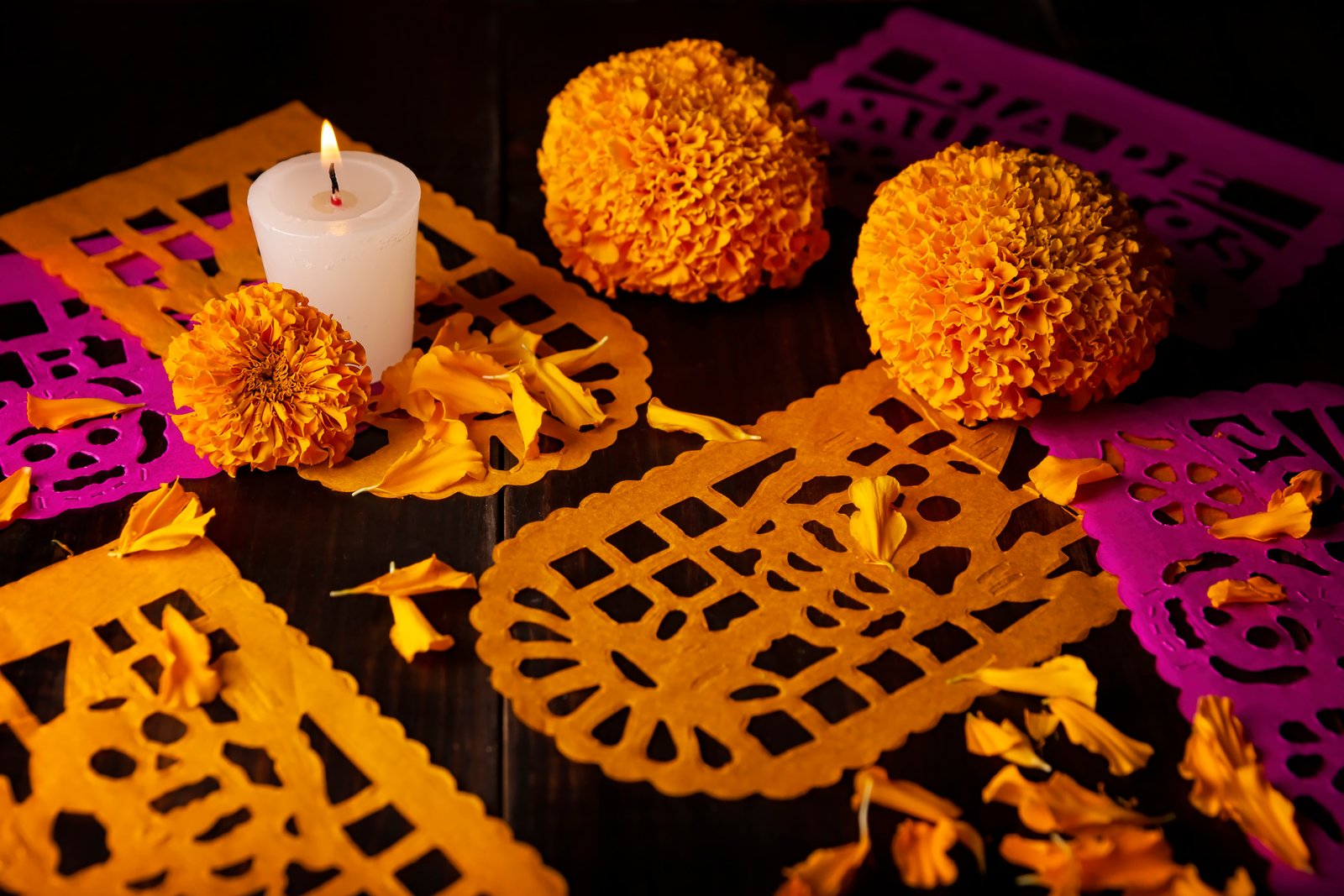
- Marigolds (cempasúchil): their color and smell are believed to guide spirits home — you’ll often see petals scattered in a path from the door to the altar.
- Candles: light the way for the journey, one per spirit being honored.
- Water: quenches thirst after the trip back.
- Salt: purifies the spirit so it can return the following year.
- Pan de muerto: a sweet bread, often marked with bone-shaped dough on top, set out as an offering.
- Photos: the only non-negotiable item — without a photo, the ofrenda isn’t for anyone specific.
- Favorite foods and objects: the person’s actual favorite dish, their coffee cup, a deck of cards, cigarettes — whatever made them who they were.
- Papel picado: the cut-paper banners, representing the fragility of life and moving in the breeze.
None of this requires a trip to a specialty store. Most households can assemble an ofrenda from what’s already in the kitchen and photo albums, plus a bag of marigolds from the grocery store’s floral section, which is usually stocked up right around this week specifically because demand spikes.
Building One This Weekend Without Getting It Wrong
The mistake most new households make isn’t disrespect — it’s treating the ofrenda like Halloween leftovers. A skeleton figurine and a candle from the clearance aisle isn’t an ofrenda. It’s a specific person’s photo, their actual favorite food, and something that was theirs. That’s the whole requirement.
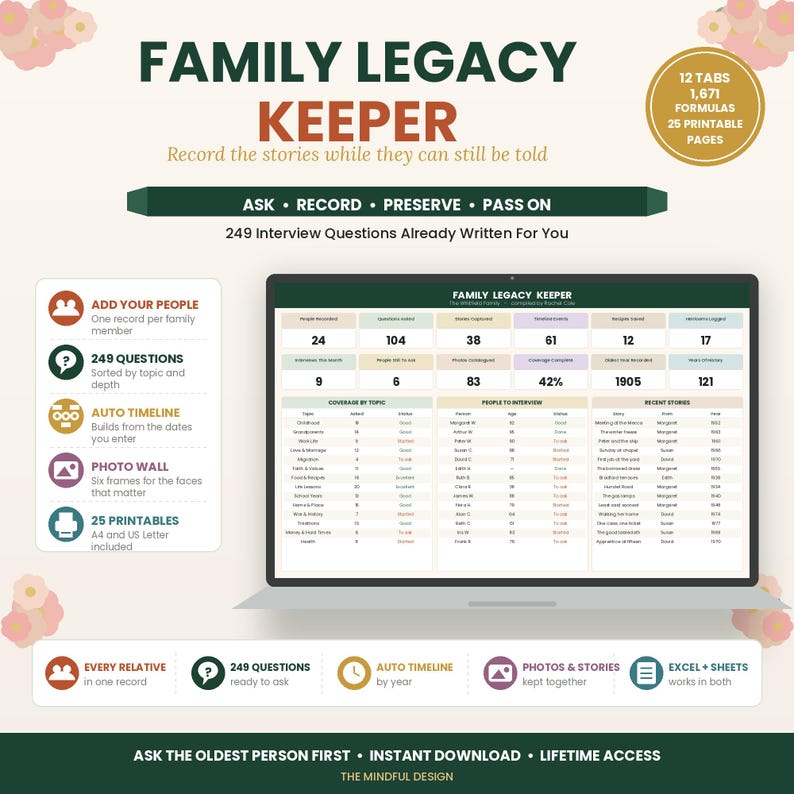
The part people skip, and the part that actually matters most, is the research before the building. You need the stories — what someone actually loved to eat, what song they’d play, what they always said. If you’re one generation removed from the people you want to honor, that information lives in whoever’s left who remembers it, and it disappears fast if nobody writes it down. This is exactly the gap a family history spreadsheet built around guided interview questions is made for — it comes with 249 prompts across topics like childhood, food, and family stories specifically so you can sit down with a relative and get the details on record before they’re gone, which doubles as exactly what you’d pull from to build next year’s ofrenda, or the one after that.
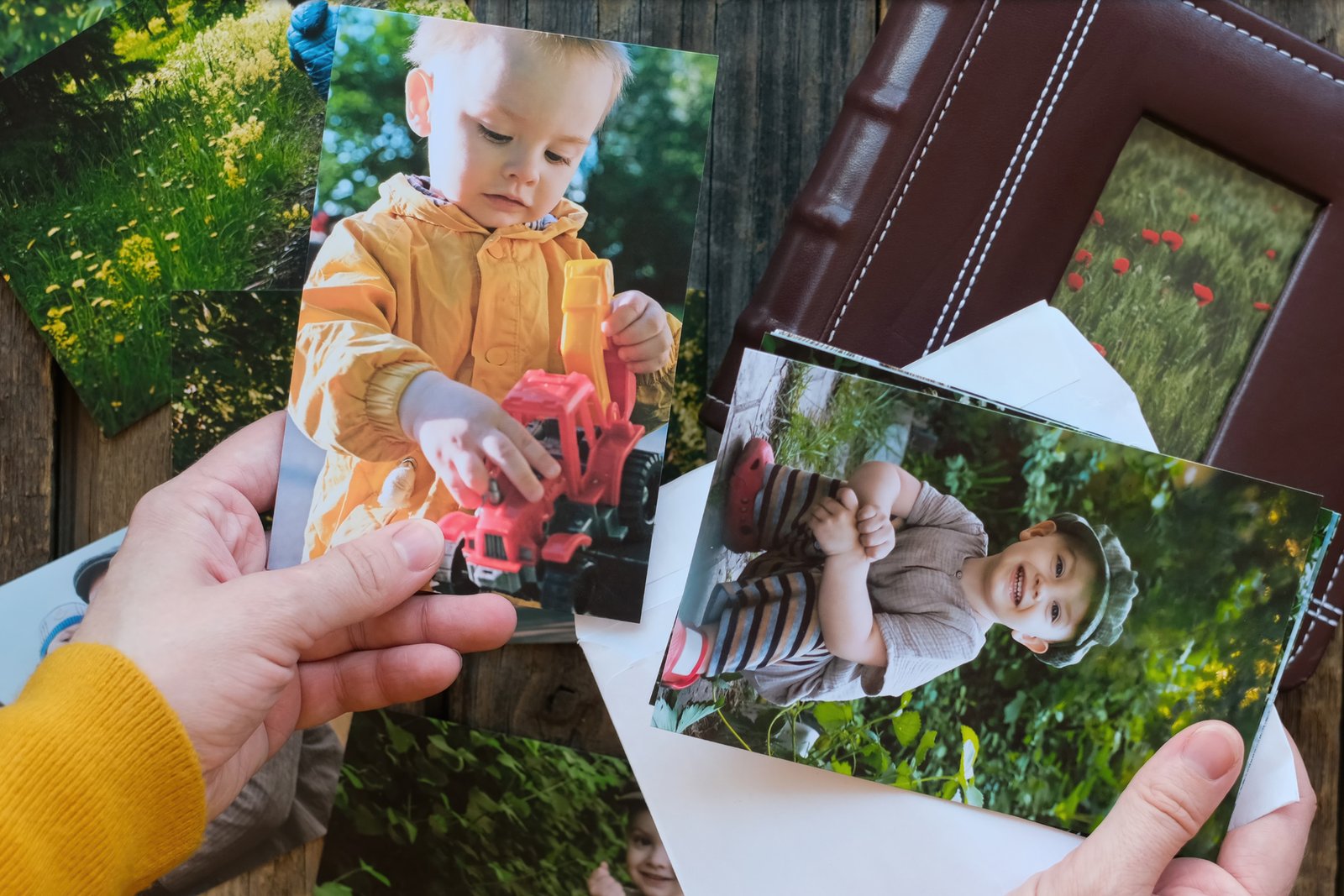
Set the altar low enough that it’s easy to add to over the two days. Put the photo at the center, not off to the side. And don’t rush to take it down on November 3 — most households that do this every year let it sit through the first week of November before clearing it.
This isn’t replacing Halloween in any city that’s tracking it, and it doesn’t need to. It’s running alongside it, growing on its own terms, with its own two days and its own reasons for existing. If your city has an event this week, it’s probably worth 20 minutes to see what San Antonio’s visitors are apparently buying tickets early for.