
Burgundy has had a lock on “sophisticated winter color” for years now, and it’s not giving that up without a fight. But walk through any boutique’s new arrivals this month and you’ll notice something: next to the burgundy coats and bags sits a shade that looks almost the same at a glance, then clearly isn’t once you put them side by side. That’s plum, and stylists are quietly swapping it in everywhere burgundy used to go.
The difference is small enough that most people won’t name it, but it reads immediately: plum skews purple where burgundy skews brown, which makes it feel a little more awake and a little less “safe holiday party dress.” Here’s what actually separates the two, what it costs to own a piece in the real color (not a filtered product photo), and the one thing worth doing before you buy anything new this season.
Plum vs. Burgundy: What You’re Actually Looking At
Burgundy gets its depth from brown undertones — think aged wine, leather, mahogany furniture. Plum is built on purple instead, which is why it photographs brighter and feels less heavy under store lighting. Fashion editors have started calling it burgundy’s “sunnier cousin,” and once you know to look for it, you’ll spot the swap everywhere: the puffer jacket that looked burgundy in the online photo but reads distinctly purple-violet in person, the handbag that’s technically a totally different SKU from last year’s wine-colored version but sits one shelf over.
You don’t have to pick a side, either. The two tones share enough DNA that they mix fine in one outfit — a plum sweater under a burgundy coat doesn’t clash the way, say, plum and true red would. That’s part of why this trend is cheap to test: you’re not retiring last year’s wine-colored pieces, you’re adding one plum item and seeing how it sits next to what you already own.
What It Actually Costs to Add Plum to Your Closet
Real prices, not aspirational ones. On the outerwear side, Nobody’s Child’s longline double-breasted wool coat in plum lists at $345 and is currently discounted to $207. Ann Taylor’s belted trench coat runs $289, marked down to $145, and its moto bomber jacket is $198 down to $99 — both easy ways in if a full coat feels like too much commitment. Zara’s embroidered velvet puffer is $199 with no markdown yet, and a Bloomingdale’s-exclusive double-breasted coat from AQUA sits at $188, discounted to $141.
If a coat is more than you want to spend testing a color, dresses and pants are the cheaper entry point. ASOS Design has a satin drape mini dress in plum for $60 (on sale for $51) and a mesh maxi dress for $65 (down to $58). Lulus’ plum-purple jersey knit dress is $49, discounted to $39. On the pants side, Wilfred’s Lodge Pant at Aritzia is $138 down to $110, and Spanx’s wide-leg pants run $118 marked down to $83 — both pair with gray, black, or white you probably already own, which keeps the rest of the outfit from needing a rebuild.
Accessories are where this trend gets genuinely affordable: a velvet headband from L. Erickson is $32, a drapey velvet hair bow from Urban Outfitters is $15, and Portland Leather Goods has a plum shoulder bag for $132. On the other end, a Marc Jacobs suede bag in the color runs $495, and specialty sneakers can run into the hundreds — so the spread on this color is enormous depending on where you shop.
The Smarter Way to Buy Into a Color Trend
Color trends are exactly the kind of purchase that quietly wrecks a budget, because each individual piece feels small ($39 here, $51 there) while the total adds up fast once you’re three accessories and a sweater deep. The fix isn’t skipping the trend — it’s deciding your ceiling before you start browsing, instead of after your cart is already full.
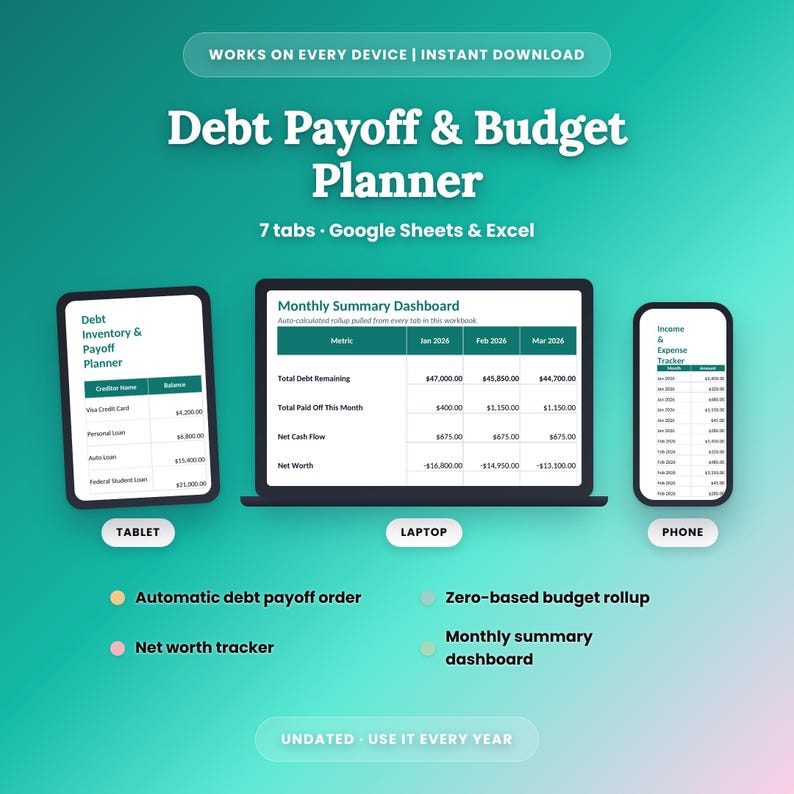
A simple way to do that: set a fixed dollar amount for “trying plum this season,” write down every piece you’re tempted by with its real price (not the aspirational full price), and cross items off as you actually spend, the same way you’d track any other short-term goal. If you’re also carrying other debt or trying to get ahead of holiday spending at the same time, a Debt Payoff Tracker Excel Budget Planner works well for this — you can carve out a small “seasonal trend” category inside it instead of letting a $35 headband and a $58 dress quietly become a $200 month you didn’t plan for.
How to Wear It Without It Reading as a Costume
The easiest way into plum is through one statement piece, not a head-to-toe moment. A plum coat over your normal black, gray, or denim outfit does more work than a plum top plus plum pants plus plum accessories, which starts to look like a costume rather than a wardrobe choice. Outerwear in this color pairs naturally with blue, pink, brown, and — yes — your existing burgundy pieces, so a plum coat over a burgundy sweater reads intentional rather than clashing.
If you’re buying a dress instead, let the color be the whole outfit: minimal jewelry, neutral shoes, and skip adding a second bold color on top of it. And if you’re testing this on the cheapest possible budget, accessories are genuinely the move — a $15 hair bow or a $32 headband lets you see whether you actually like the color near your face before you commit to a $200 coat you might return in January.

Plum isn’t a trend you need to chase hard. It’s subtle enough that most people will just register “that’s a nice color on you” without clocking that it’s a trend at all — which, honestly, is the best kind to buy into. Pick one piece, set a number before you shop, and let the rest of your closet do what it’s already doing.